The Emergency Market Mapping and Analysis (EMMA) is set of tools and guidance notes that encourages and assists front-line humanitarian staff in sudden-onset emergencies to better understand, accommodate, and make use of market systems. toolkit for humanitarian staff in post-emergency contexts. The toolkit was developed in 2010 by the International Relief Committee, Oxfam, Practical Action and InterAction, with support from USAID and the Waterloo Foundation, in collaboration with nearly 20 humanitarian agencies.
The EMMA Toolkit walks users through a practical, 10-step process for market analysis, offering thorough explanations and detailed technical information on market concepts. It also provides guidance on developing and evaluating different response options.
The EMMA Toolkit was designed to be carried out by non-specialists. In other words, the average mid-level humanitarian worker with the right skill-set and experience, regardless of sector or expertise, should be able to lead an EMMA.
Hard copies come with a heavy-duty spiral binding and a CD-ROM that includes the original EMMA training materials and other resources. Buy it from:
Why use EMMA?
EMMA helps front-line staff to both understand the important market aspects of an emergency situation that may not otherwise be considered adequately or early enough and to integrate this knowledge promptly and effectively into program decision-making processes.
EMMA offers an approach to quick, rough-and-ready analysis with practical recommendations that is suitable for the early stages of emergencies, when both information and time are often limited. It is broad in scope, addressing survival needs, livelihoods protection and the transition to economic recovery.
When to use EMMA?
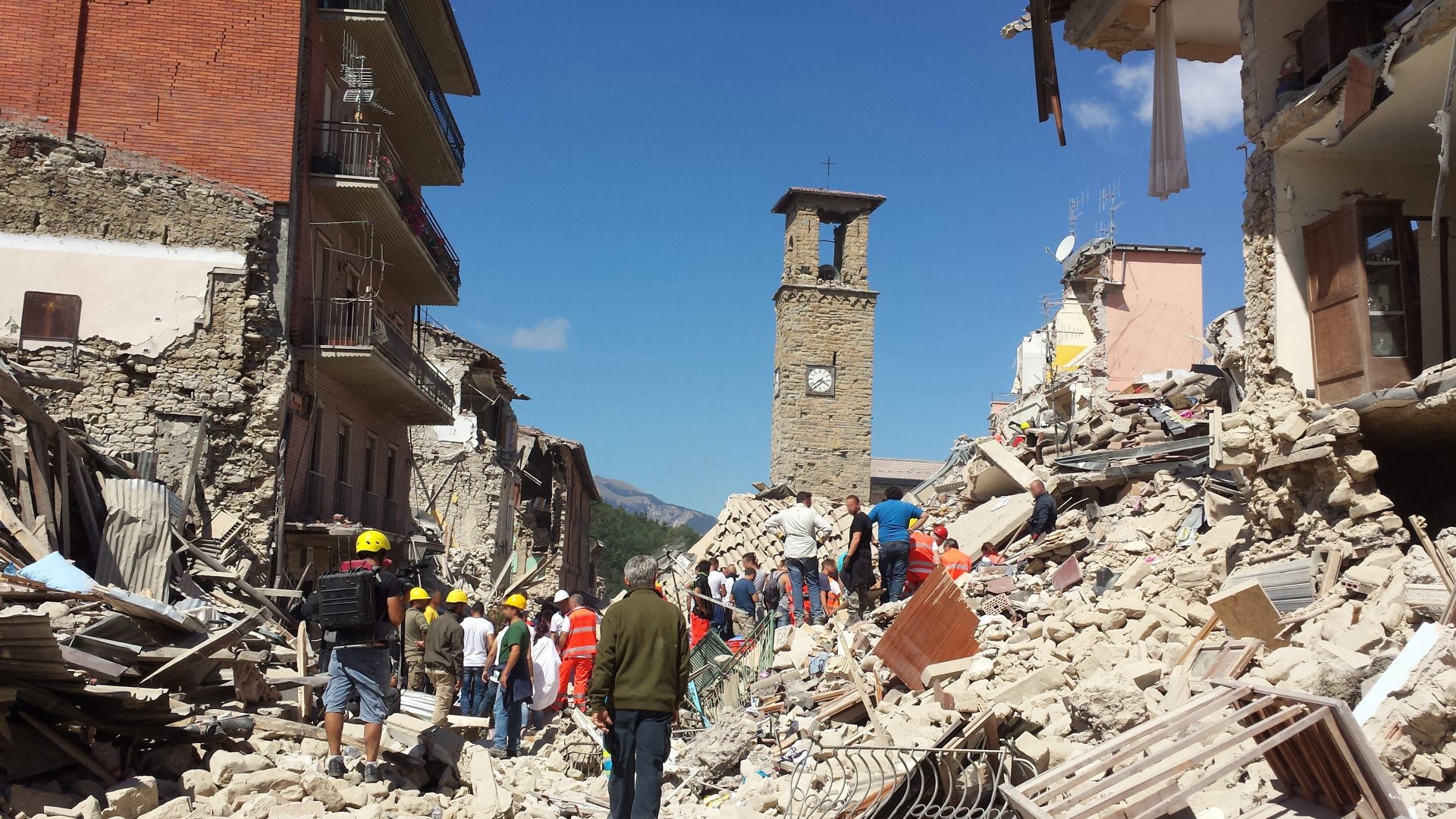
The most straightforward application of EMMA is for sudden-onset emergencies; it may also be used in a wide variety of contexts and crises, including slow-onset and chronic emergencies.
In sudden-onset emergency contexts, EMMA may be started 3-4 weeks after the onset of the emergency, once local markets have stabilized somewhat. However, EMMA may still be relevant during the coming months and throughout the recovery phase, depending on the objectives of implementing agencies.
Typically, EMMA is conducted after a crisis has already occurred – this timing is often obvious in a rapid-onset crisis and less so in a slow-onset or chronic emergency context. When a chronic emergency is so prolonged that it has become the normal situation, EMMA may not be the most relevant approach.
How long is an EMMA?
The EMMA process takes between 1-3 weeks, from the start of the pre-assessment workshop through the processes of field research and analysis and the development of response options and recommendations.
However, EMMAs are adaptable, and the length could vary based on several factors related to the scale and scope of the exercise, the skill level of the assessment team and the logistical and human resources available. For example, an EMMA undertaken by a well-trained team that is very focused in scope could theoretically be completed in a week or less. The duration may also vary depending on how much information already exists regarding the crisis-affected population’s needs and the critical market systems being studied and the assessment leader’s familiarity with the context.
These time estimates include neither the time needed to prepare for an EMMA (about 3-4 weeks) nor the time needed to finalize the EMMA report once the assessment is complete.
Some time should be allotted for defining the scope of the assessment with knowledgeable local stakeholders and for recruiting the assessment team (including the assessment leader) before the assessment team assembles on the ground.
CASE STUDY:
EMMA of the casual labor market in Bangladesh
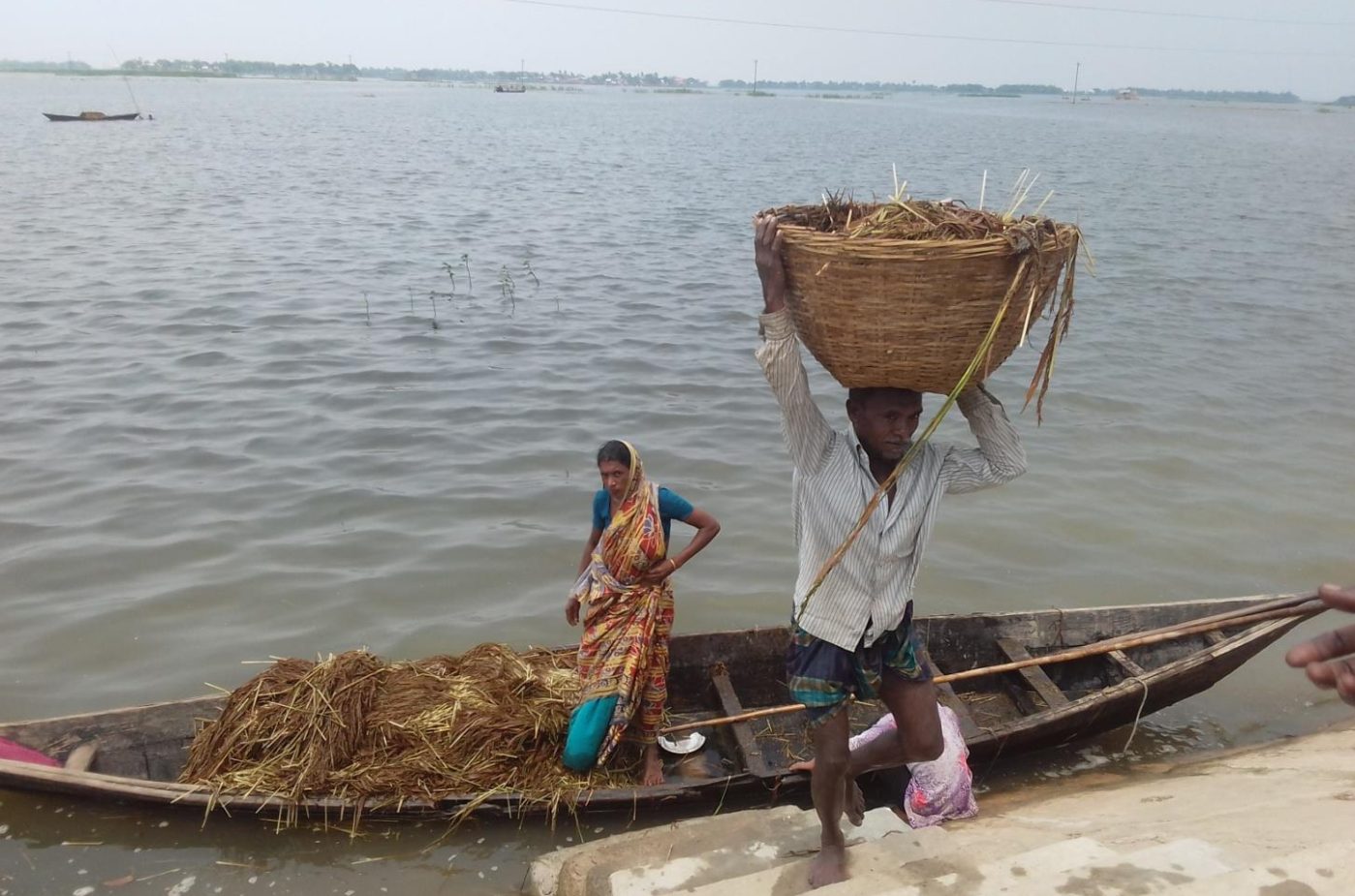
A 2017 EMMA exercise conducted by Oxfam in Bangladesh found that the flash flooding of rice paddies had severely disrupted the casual labor market and that affected households faced 3-5 months of lost income as a result. As short-term measures, it recommended supporting alternative income sources – particularly fishing and infrastructure projects, and cash-for-work programs – and salvaging as much rice-related casual labor as possible by providing vouchers for agricultural inputs to larger landowners.