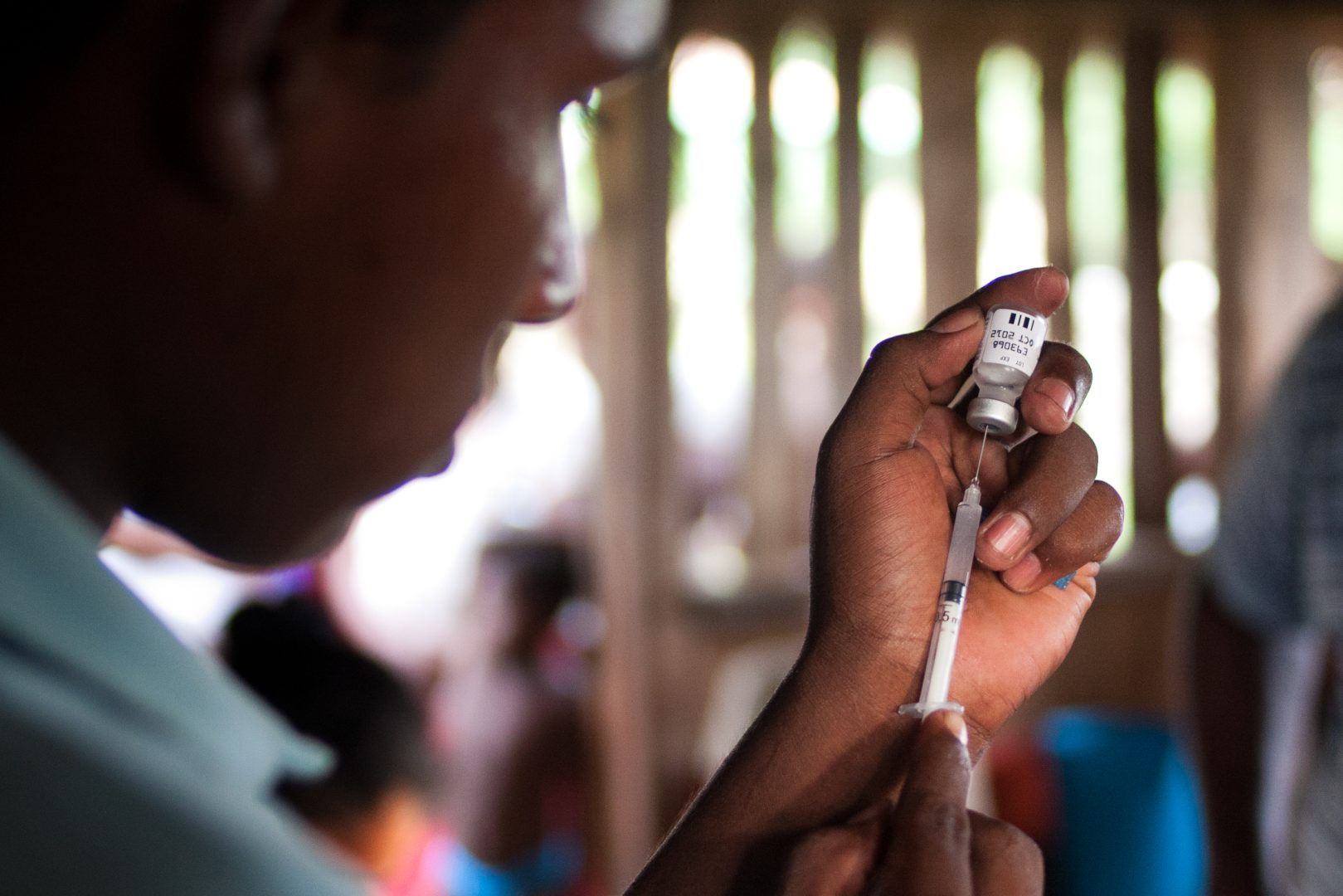
Healthcare and health supplies are part of global market systems affecting people’s access to and use of medical care. Public and private healthcare systems overlap, and these systems collectively influence everything from research and development of medicines, production and supply of healthcare and medical supplies, and the use of healthcare services and products. These systems need to be understood to ensure that people in need can access, correctly use, and benefit from the extensive range of products and services that comprise this sector.
Key Market Systems
The Global Health Cluster cautions against using standard market assessment tools to evaluate the goods and services marked with an asterisk (*), as they are embedded in broader health systems.
GOODS: healthcare-specific items such as medication*, medical assistive devices*, first aid materials, prescription, and non-prescription drugs*, medical supplies* (from public health facilities); health-related items such as nutritious food, soap, baby kits, female and other hygiene kits, and mosquito nets
SERVICES: services*, tests*, and medication* (at public health facilities); private health care services*, transport and/or accommodation for patients and caretakers
Main Concepts and Trends
Health-related market systems are less well researched, analyzed or understood by humanitarian and development professionals than market systems in many other sectors. This disconnect is partially due to the inherent power dynamics within these market systems, where factors such as large research and development costs, global patenting and the collective market power of the pharmaceutical industry all influence the sector.
The Global Health Cluster emphasizes the need to recognize and promote health care as a public service, and strongly encourages interventions that support government actors to offer universal healthcare free of charge. Nevertheless, households frequently incur costs to access both public and private health services, and financial barriers can limit access to healthcare in both emergency and non-emergency settings.
Policies and practices relating to health behavior and practices can also be influenced through market signals or drivers relating to the use of medicines, potentially leading to crises. This was evidenced during the COVID-19 pandemic when supplies of personal protective equipment (PPE), oxygen, protective masks and certain medicines fell short of spikes in demand, driving prices up, and pricing many countries, local governments, institutions, and individuals out of the market.
In emergency settings, the goal of health responses is usually to ensure that the needed health services and related products are available, accessible, and acceptable for the affected population, while assuring certain levels of safety and quality. Consequently, health financing should focus on restoring and strengthening already existing health systems, taking into consideration that health workers and medicines are likely to be in short supply. The Global Health Cluster also supports the use of cash and voucher assistance (CVA) as a temporary measure to help support access to health care at the individual level, where financial barriers exist – though ultimately, it aspires to ensure that people can access health care for free.
In non-emergency settings, the general health needs of the community are recommended to be prioritized, and preventative public health programming should be implemented. Cash transfers are typically used as a component of social programmes that provide regular cash payments to poor households conditionally on the use of certain health services.

Health Sector and Market Assessment Tools
Standard humanitarian market analysis tools – focused on the production and consumption of market goods – are appropriate for certain health-related commodities that fall outside of the public sector’s domain (such as nutritious food, soap, mosquito nets, etc.) and services related to the indirect costs of healthcare (such as transportation and accommodation). They may, however, not be appropriate to capture most health-related goods and services, given the outsized role of the public sector in healthcare.
To date, the Global Health Cluster has not officially proposed modifications to any of the standard tools and guidance to make them more appropriate for health goods and services and has identified this as an outstanding need.
CASE STUDY:
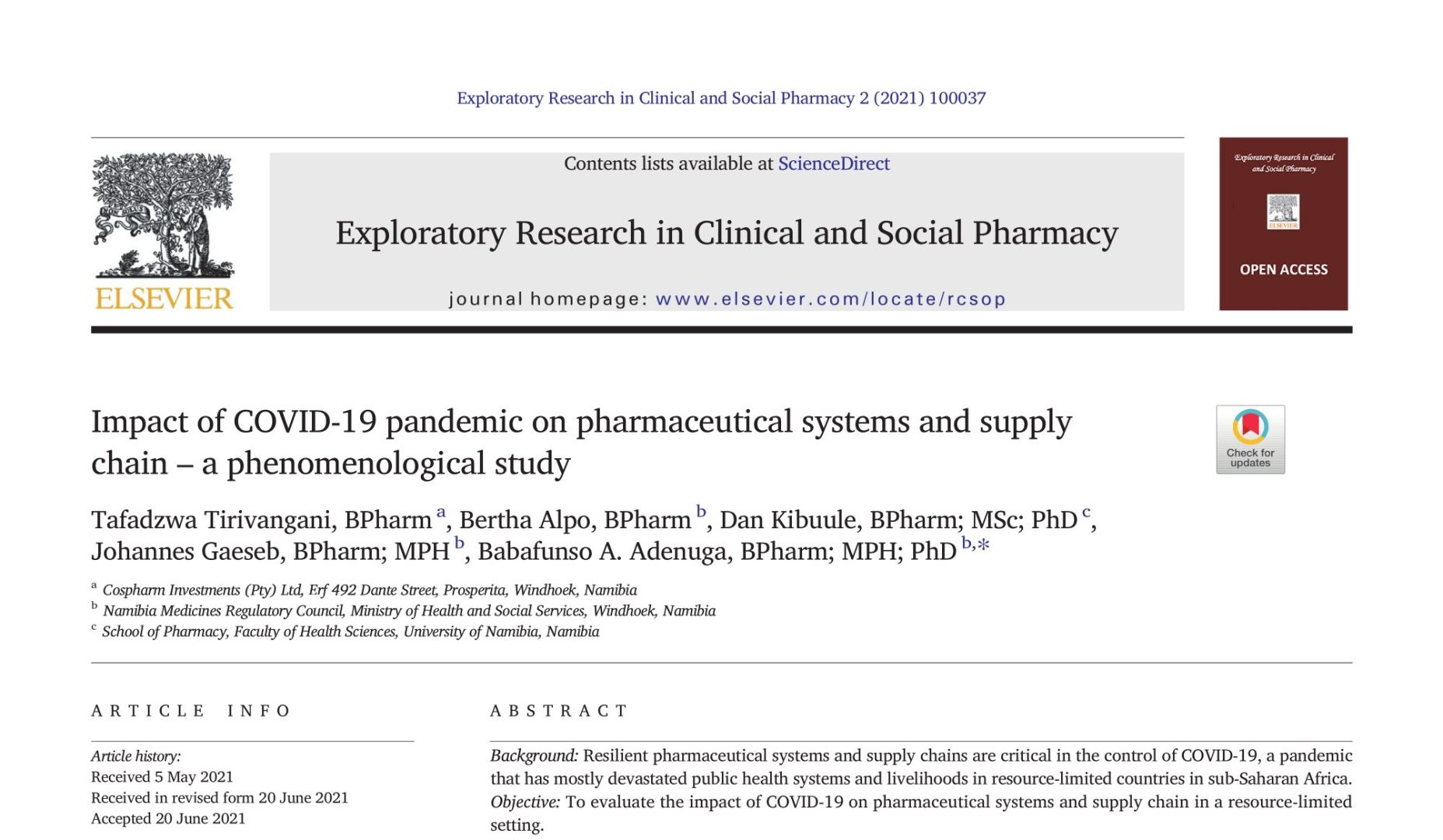
Impact of the COVID-19 pandemic on pharmaceutical systems and supply chains
In 2020, a qualitative survey was conducted in the public and private pharmaceutical sectors of Namibia to shed light on the effects of Covid-19. The survey focused on access to and availability of essential medicines among distributors and points of care in the private and public sectors. Key informants reported a negative impact on access and availability of essential medicines, particularly sanitation products, hygiene products, and antimicrobials. The central challenge was the lack of emergency readiness of Namibia’s medical supply chains; when placed under stress, most medicine outlets experienced longer lead times on their item shipments, attributed to reduced inter-country transportation of goods and services and limited in-country manufacturing capacity.