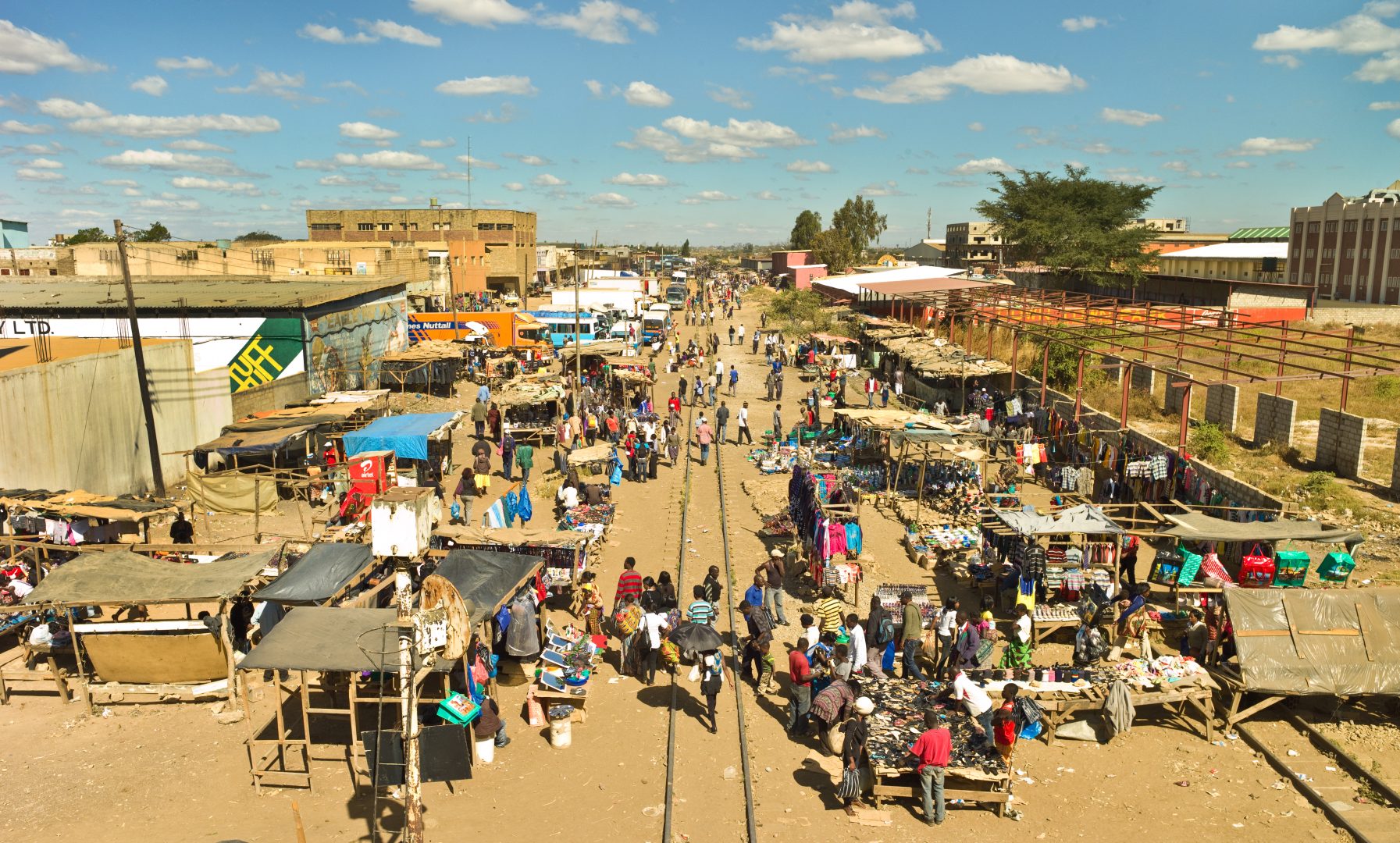
Market assessments are designed to gather information about key market systems, marketplaces, and supply chains to better understand their functionality and accessibility to all groups. An essential component of any situational analysis, market assessments help us determine whether humanitarian and development programs should work through local markets, and if so, how.
Understanding local markets is critical in designing programs and interventions that are not market-blind. Any intervention should aim to promote market recovery and unlock development opportunities in the wake of a crisis. It should also aim to avoid the negative impacts of distorting markets and/or replacing or undermining market actors. For this reason, it is crucial, no matter what the circumstances, to move beyond quick assessments of cash feasibility and to gain as deep an understanding of local market characteristics as time allows.
Market assessments can take place at various stages of a humanitarian response:
Pre-crisis, to feed into contingency planning and/or to inform the design of market-strengthening interventions to make markets more resilient to future shocks.
Immediately after a sudden-onset crisis, using a light-touch approach to determine which aid modalities and delivery mechanisms are most appropriate for the response, as well as to inform market-based interventions in case local markets are unable to supply the goods and services that affected populations need.
After key developments in a protracted crisis, comparing data to a baseline using either rapid or deep-dive tools to better understand how markets have been affected by new developments and how market-based interventions may need to adapt.
During the recovery stage, to inform livelihoods, market systems development, or market-strengthening interventions to bring about sustainable systemic change.
Each of the above stages presents opportunities for a different type of market assessment. A sudden-onset crisis, for instance, calls for a standardized, ready-made rapid assessment toolkit, such as ICRC/IFRC’s Rapid Assessment of Markets (RAM). Such toolkits will produce actionable market data as quickly as possible.
On the other hand, in a pre-crisis situation or protracted crisis practitioners may undertake a larger-scale market assessment such as an Emergency Market Mapping and Analysis (EMMA). In this case, the tools could be tailored to the specific context, shock, and market actors to gain a deeper understanding of how local markets function.
Due to the longer timeframes involved, development contexts also allow for highly specific deep dives into targeted market systems by partners who aim to address systemic constraints. This can help affected populations increase their income, stabilize the supply of basic goods and services, and rebuild market systems that are better able to serve the most vulnerable.
Though there are a number of standardized market assessment toolkits for use in various scenarios, every market assessment must be individually adapted. The level of revision required may be light, as with rapid assessments conducted immediately post-crisis, or heavy, as with deep-dive explorations of specific market shifts. But in every case, users will need to modify their tools and methodology based on:
Crisis and shock: Tools for an acute-onset natural disaster, for instance, should be different from those used to assess an ongoing development in a protracted conflict.
Unit of analysis: Are you assessing a single marketplace? A neighborhood? A city? An entire disaster-affected area?
Recall period: Are you assessing a shock that took place two days ago? One week? One month?
Targeted market systems and vendors: Are there specific supply chains, goods, or services you intend to focus on?
CASE STUDY:
Shelter market assessment in Beirut, Lebanon
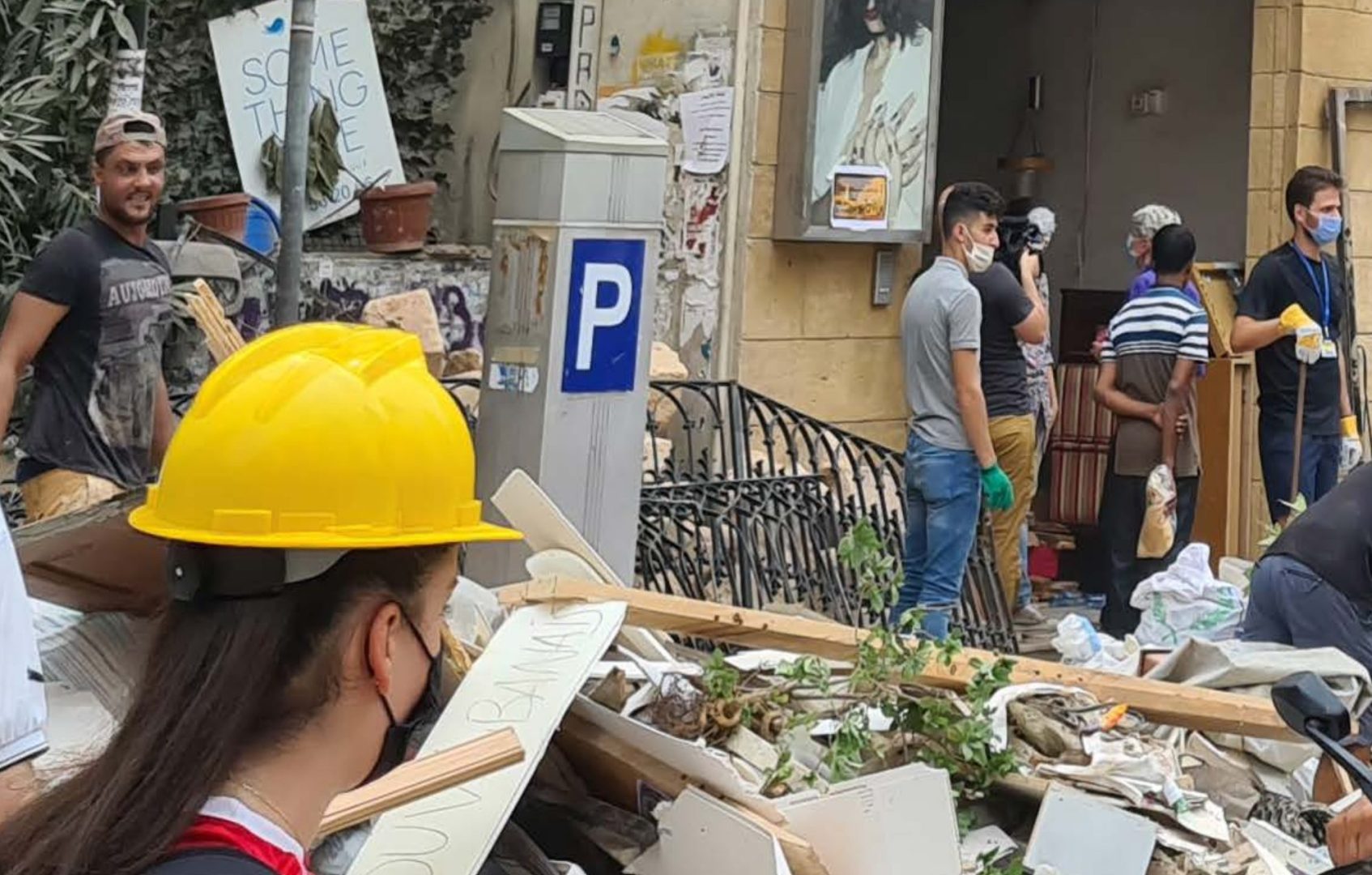
In August 2020, a massive explosion destroyed the port of Beirut and left hundreds of thousands of city residents displaced from their heavily damaged homes. The humanitarian community feared that the port’s destruction would hamper efforts to rebuild, as Lebanon was assumed to be unable to import construction materials on a large scale without use of the Port of Beirut.
Caritas, ACTED, Concern, and CAMEALEON conducted an emergency market assessment of the supply chains for four key imported construction items. The assessment came to the unexpected conclusion that despite the port’s destruction, supply chains for construction materials remained largely intact, prices were relatively stable, and key reconstruction items remained locally available and did not need to be imported by humanitarian agencies. This data enabled responders to rapidly pivot their programming to provide assistance without undermining local market actors.