
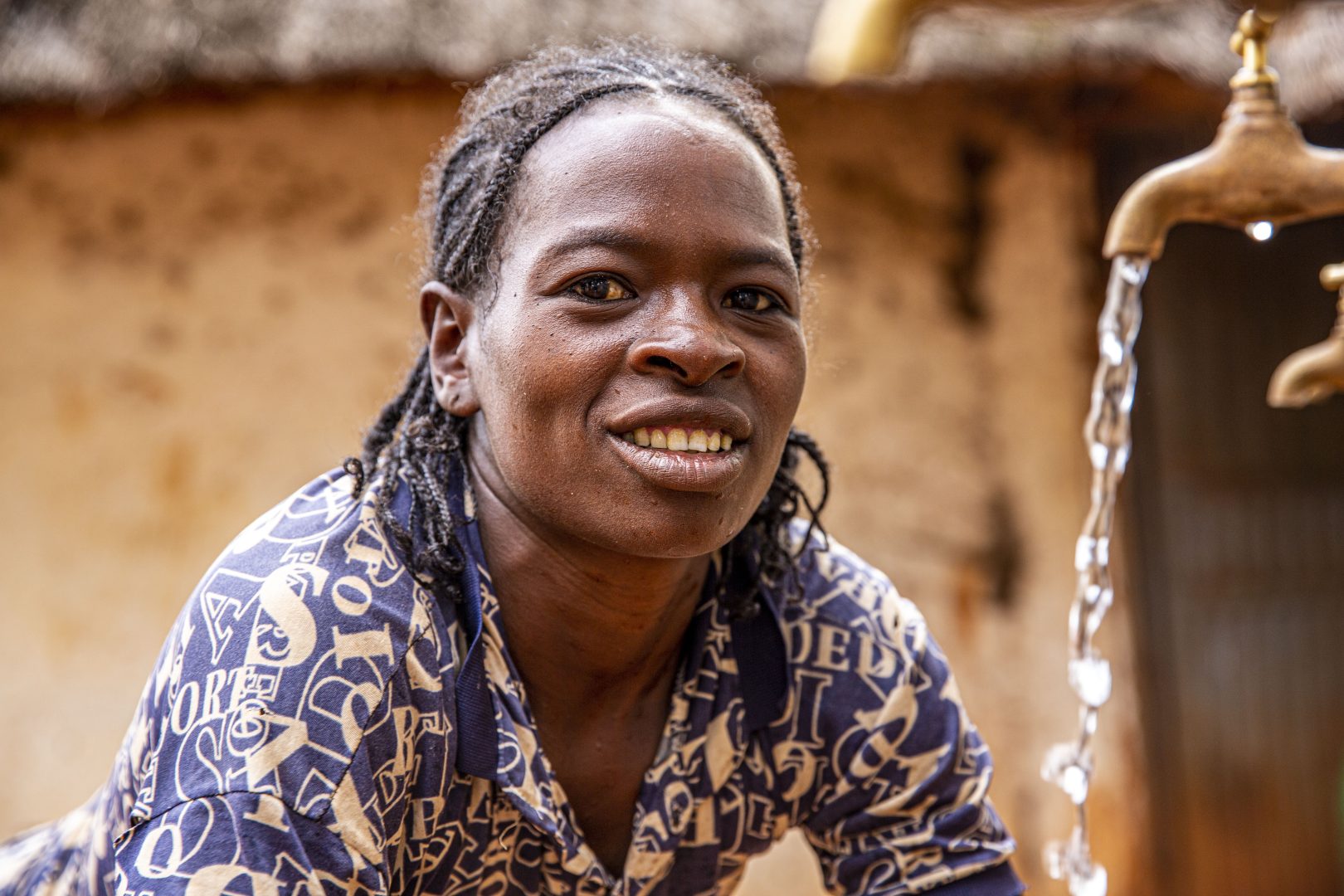
Water, Sanitation and Hygiene
For decades, humanitarian and development actors have worked to set up or strengthen water, sanitation, and hygiene (WASH) systems across diverse contexts. Nevertheless, considerable barriers still exist to using market-based approaches at scale in the humanitarian WASH sector.

Shelter and Settlements
The delivery of shelter and settlement support is a complex process. It incorporates interventions that span emergency, transitional, and permanent options for ensuring populations have safe, dignified and healthy living conditions. Shelter and settlements programming and implementation rely on, and are closely linked with the complexity of (local and international) markets and supply chains for goods and services for shelter and household core relief items, and is linked to ancillary markets such as energy, transportation, water, and sanitation.
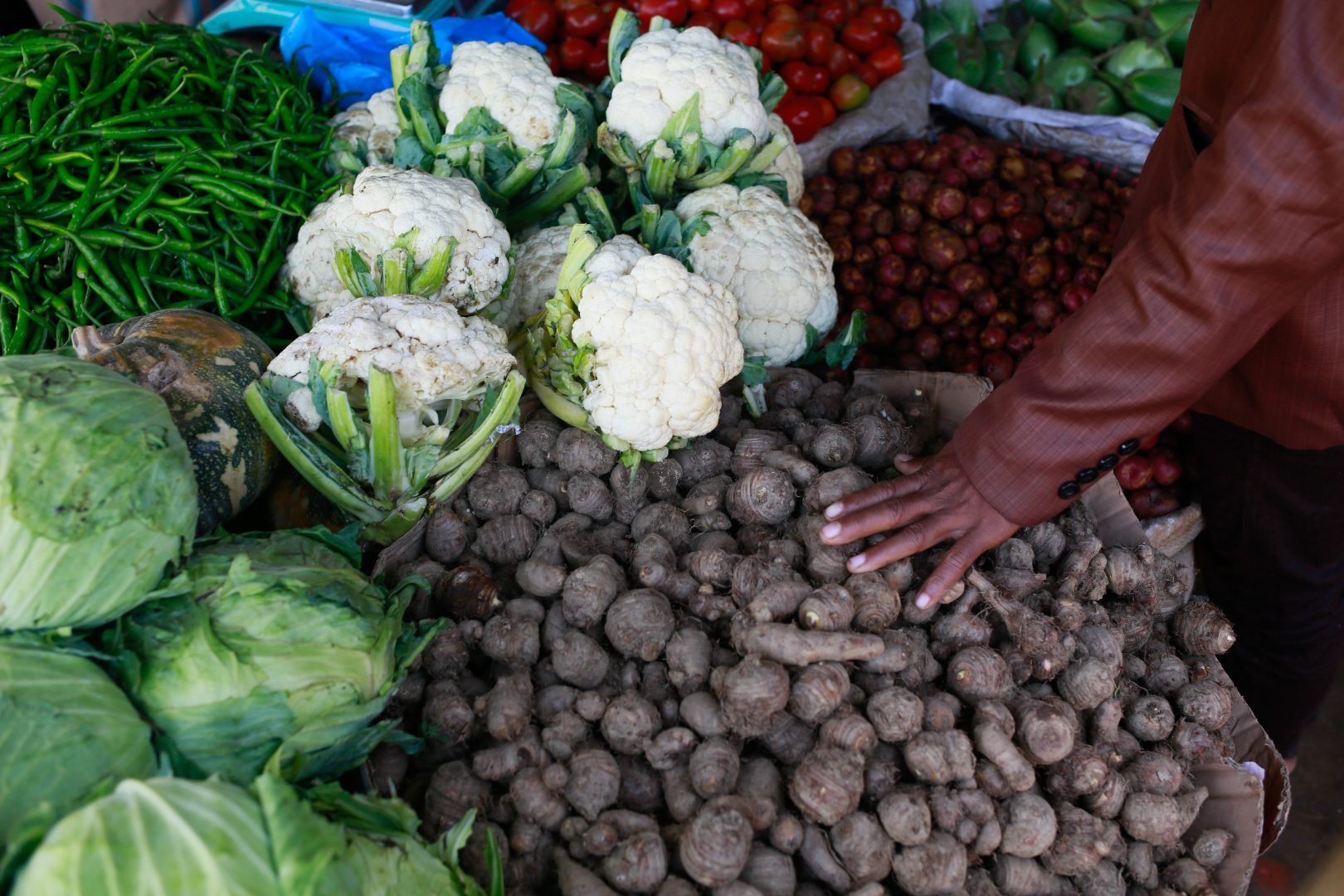
Food Security
Markets are a key source of food and income for populations across the world. Food security and agriculture practitioners have a long and rich history of using market analysis to inform programming; and in many ways, food security has led the way with market-based programming, with approaches such as the Emergency Market Mapping and Analysis (EMMA) and value chain analyses.
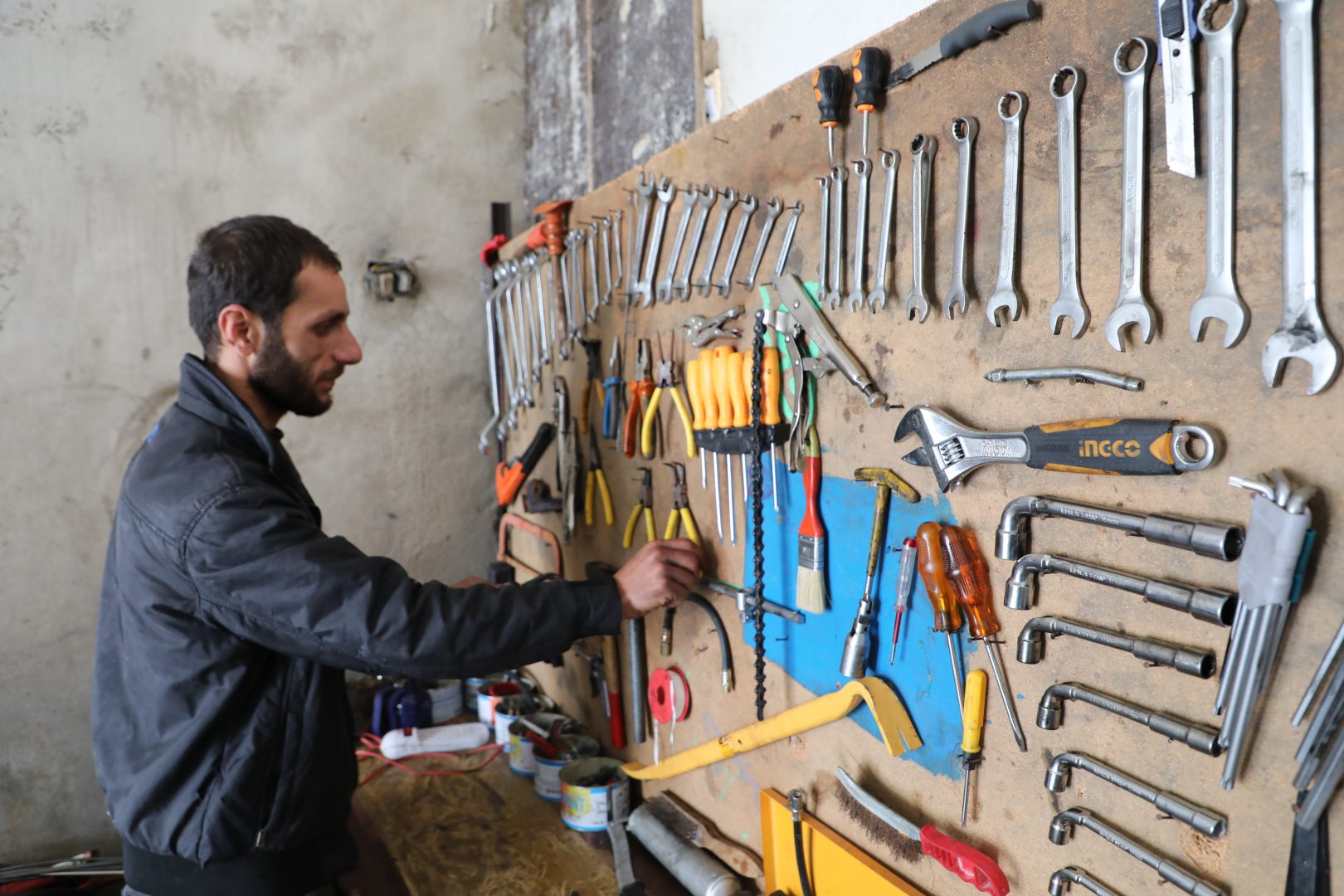
Livelihoods and Employment
Livelihoods are inherently intertwined with markets. People exchange their labor for money, which allows them to purchase goods and services to meet their needs and wants.
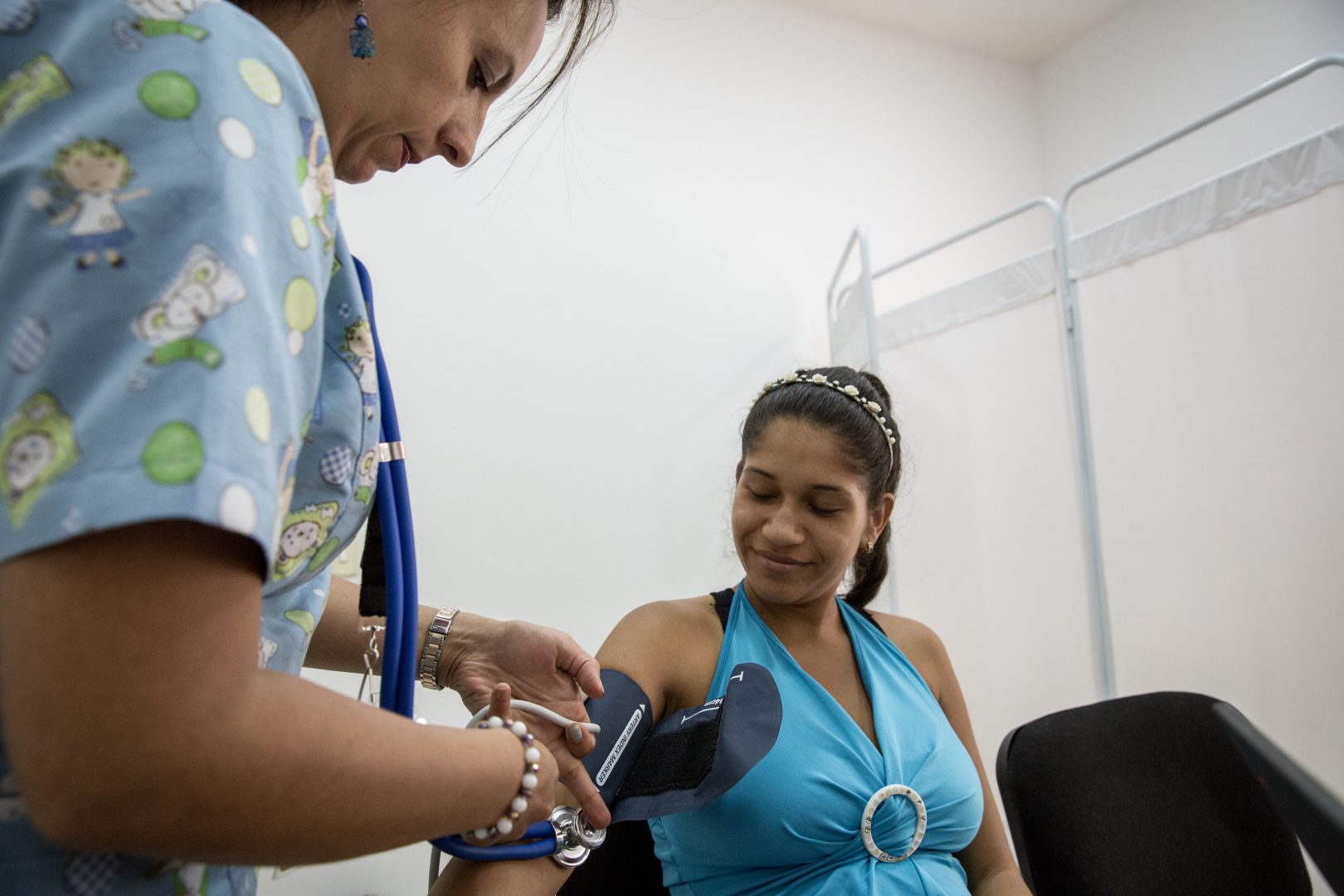
Health
Healthcare and health supplies are part of global market systems affecting people’s access to and use of medical care. Public and private healthcare systems overlap, and these systems collectively influence everything from research and development of medicines, production and supply of healthcare and medical supplies, and the use of healthcare services and products. These systems need to be understood to ensure that people in need can access, correctly use, and benefit from the extensive range of products and services that comprise this sector.
Nutrition
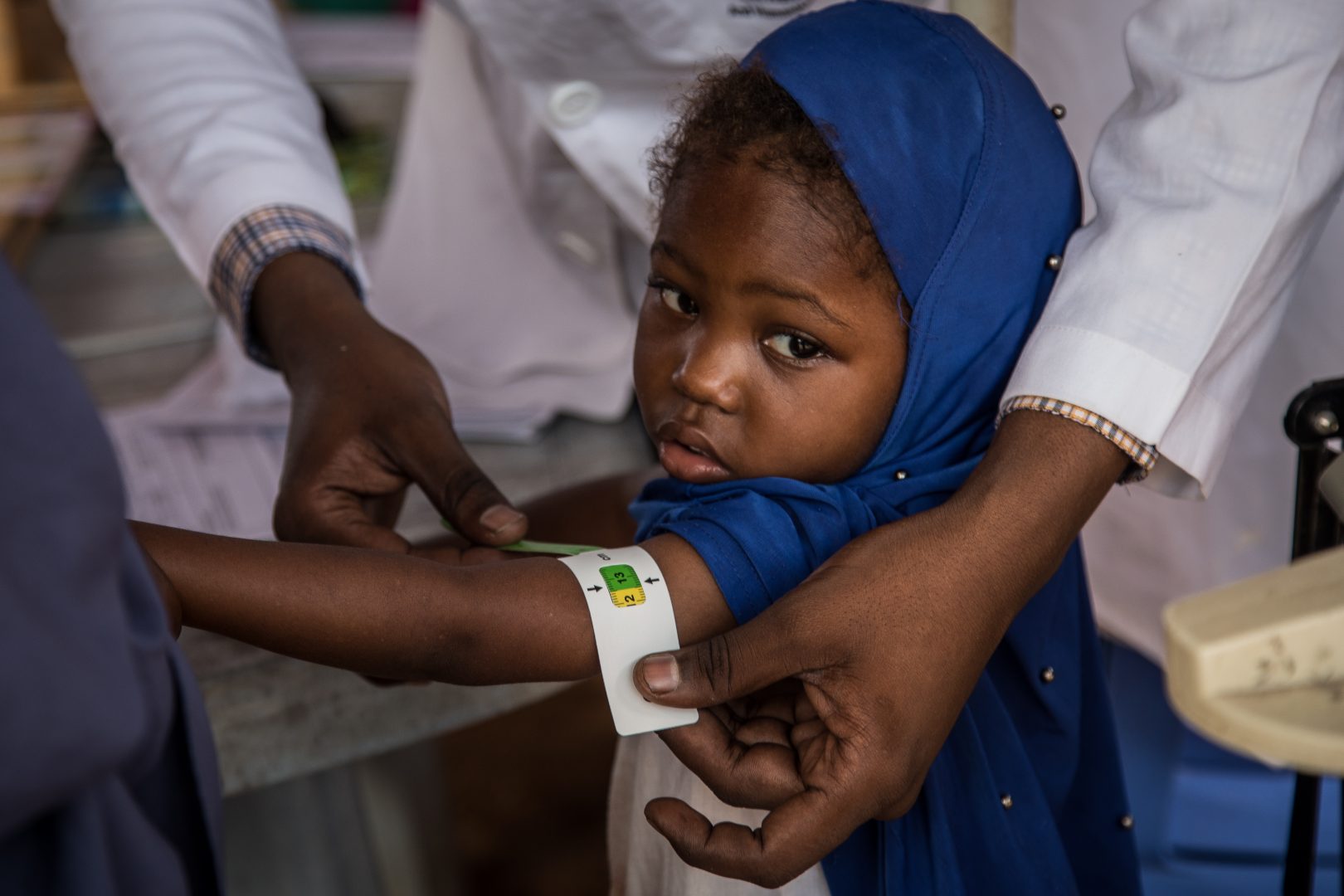
Malnutrition continues to pose a major challenge to human well-being around the world. In 2020, an estimated 144 million children under five suffer from stunting (i.e. chronic malnutrition), 47 million children under five were wasted (i.e. acute malnutrition), of which 14.3 million were severely wasted, and an additional 340 million suffered from micronutrient deficiencies.
Despite the limited practice of market-based programming (MBP) in the nutrition sector, nutrition is intricately related to food security, WASH and health; and market-based programming in these sectors have direct implications for nutrition outcomes.
Education
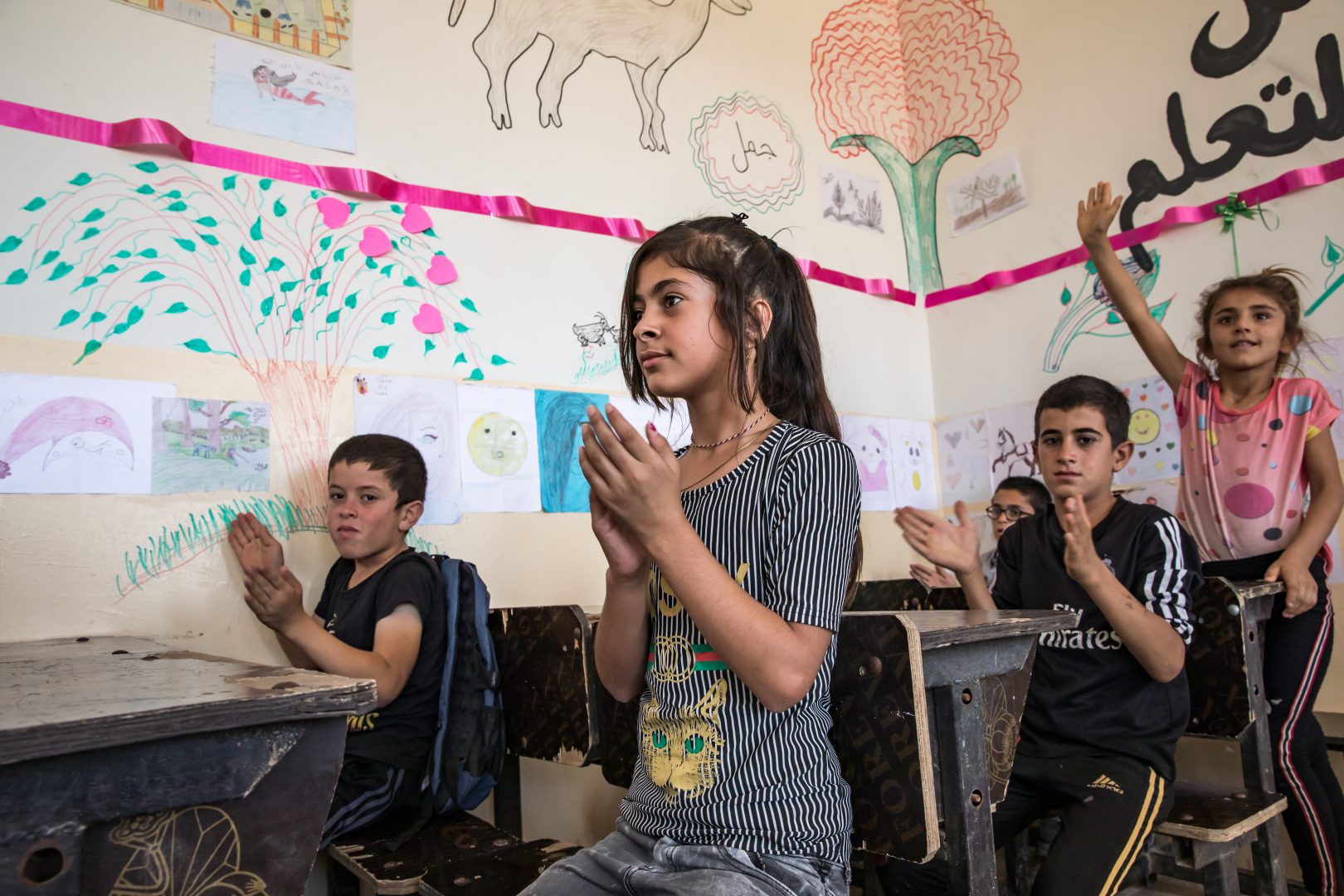
Education is largely considered to be a public good, and many education specialists are wary of the idea of treating it as part of a market system. Nevertheless, markets remain relevant to the sector as a means by which students and their families access key education supplies and material needed to enrol and attend school, as well as ancillary services.