
Malnutrition continues to pose a major challenge to human well-being around the world. In 2020, an estimated 144 million children under five suffer from stunting (i.e. chronic malnutrition), 47 million children under five were wasted (i.e. acute malnutrition), of which 14.3 million were severely wasted, and an additional 340 million suffered from micronutrient deficiencies.
Despite the limited practice of market-based programming (MBP) in the nutrition sector, nutrition is intricately related to food security, WASH and health; and market-based programming in these sectors have direct implications for nutrition outcomes.
Key Market Systems
GOODS: Nutritious food rich in vitamins and minerals (ex. fresh fruit, vegetables, eggs, milk, fish etc.), items to prepare food (ex. utensils, pans, etc.), hygiene products (ex. soap), and safe water
SERVICES: Health services, transportation
NUTRITION SPECIFIC GOODS (ex. micronutrients or specialized nutritional products) and NUTRITION SPECIFIC SERVICES (ex. therapeutic feeding centers, counseling and skilled support) – although these specialized goods and services tend not to be available to local market actors and are typically delivered by humanitarian aid agencies
Main Concepts and Trends
There is a growing acceptance amongst nutrition specialists that cash and voucher assistance (CVA) can contribute to nutrition outcomes; in practice, however, the use of CVA for nutrition outcomes is limited during emergencies, and the use of other forms of MBP has not yet been explored systematically. Moreover, most nutrition actors are reluctant to adopt market support interventions for nutrition services as they seem too far from the sector realities and could be perceived as private-oriented.
In 2020, the Global Nutrition Cluster produced an evidence and guidance note on how to integrate cash and voucher modalities in nutrition interventions, what information and analysis is required to make these decisions, and how to use CVA to maximize effectiveness and to minimize risks. However, CVA alone cannot address all barriers to adequate nutrition and relies on functioning and accessible systems on the supply side (e.g. food markets or health services) to be effective.
Market support interventions can address supply side barriers to adequate nutrition. Possible market support initiatives to strengthen the supply side include the provision of specialized nutritional foods (SNF) and nutrition supplements; increasing nutrient content of foods (food fortification); support to traders, producers, and other actors within relevant supply chains to improve the availability of nutritious foods, water, and hygiene items in local markets. Also, linking local smallholder farmers with school feeding programs (home grown school feeding); reducing post-harvest losses; grants to schools to support school feeding programs; water and health infrastructure support to improve the quality and availability of services.
Specialized nutritional products – such as ready-to-use therapeutic foods (RUTFs), ready-to-use supplemental foods (RUSFs), and lipid-based nutrient supplements (LNS) – are generally not commercially available, meaning that they cannot be purchased in local markets. Nonetheless, understanding their supply chains, which are managed by humanitarian organizations can help to anticipate shortages.
Nutrition Sector and Market Assessment Tools
Existing market analysis tools, developed in other sectors, do not adequately capture the quantity, quality and performance of health and nutrition service providers (supply-side) – more detailed information and technical knowledge is required.
Semi-Quantitative Evaluation of Access and Coverage (SQUEAC) can be used evaluate the coverage of existing nutrition treatment services and to provide information on barriers to accessing health and nutrition services. And the Health Resources and Services Availability Monitoring System (HeRAMS) tool can be used to monitor the availability of health resources and services in humanitarian context.
CASE STUDY:
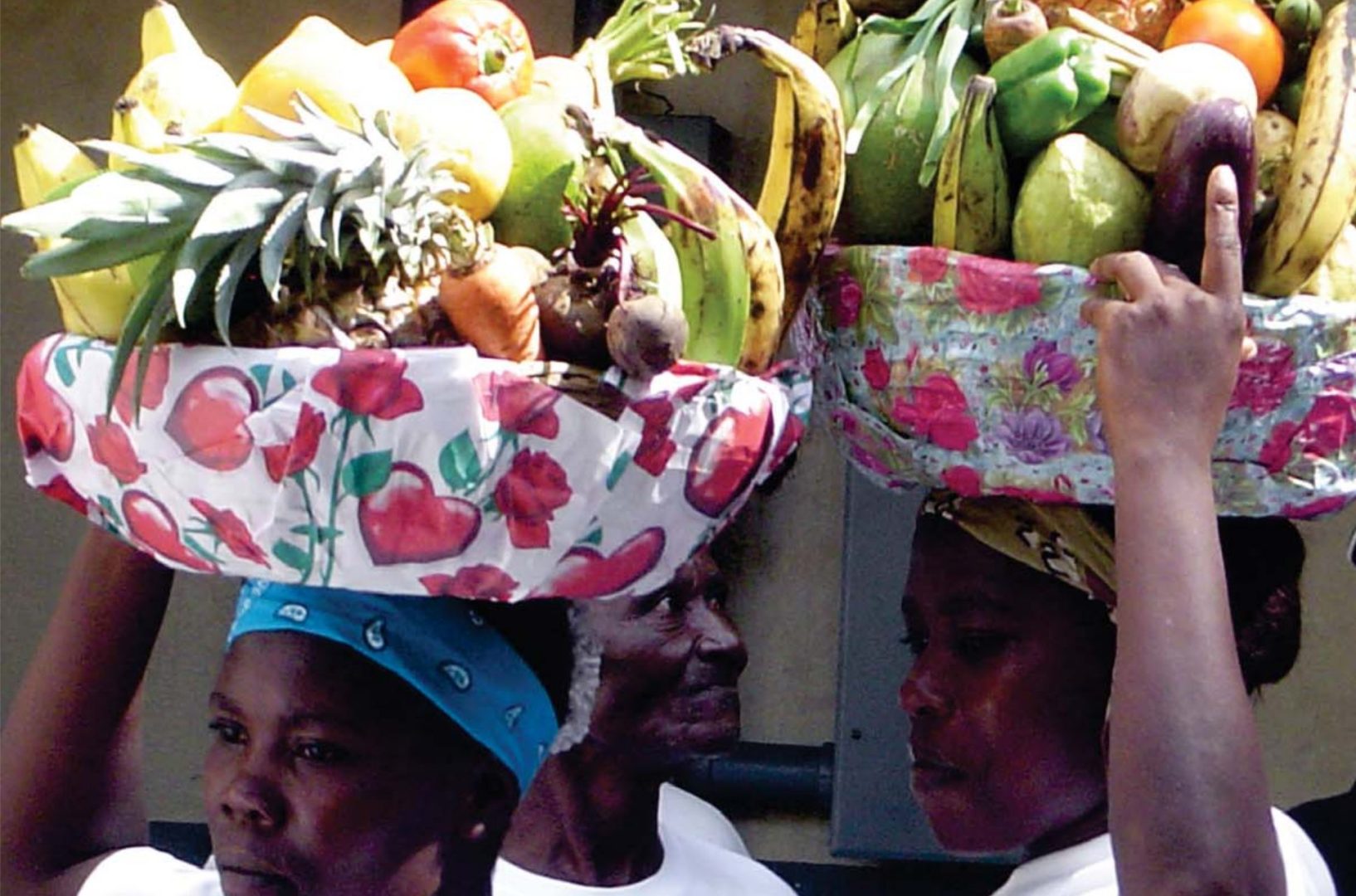
Fresh Food Vouchers for Nutrition Objectives in Haiti
ACF, CARE and the WFP conducted a pilot project in northern Haiti, where it replaced in-kind food rations with food vouchers. The objective of the project was to prevent malnutrition and promote growth by supplementing and improving the quality of the diet of pregnant and lactating women (PLW), and young children aged 6-23 months. Food vouchers were composed of locally available and locally produced foods which an assessment had revealed were available in sufficient quality and quantity.
The composition of the voucher was aligned with the in-kind ration and took into consideration the ideal nutritional intake for PLW and young children. In addition to increased levels of household dietary diversity (HDDS), over 95% of respondents affirmed that they prefer the nutrition voucher over rations and felt that vouchers led to a wider variety of food being available to their household.
Key Resources and Tools

Global Nutrition Cluster
This webinar provides guidance in the design of CVA and how to combine CVA with nutrition social and behavioral change (SBC) activities. It also addresses nutrition-sensitive targeting, specifically CVA to caregivers of severe acute malnutrition (SAM) children. The webinar features case studies from Burundi, Somalia, and Yemen.

Cash Learning Partnership (CaLP)
This tool is intended to support nutrition practitioners to assess the appropriateness of CVA in emergency nutrition programming, to support, complement, and maximize other modalities more routinely considered in nutrition programming. It takes the user through the full response option analysis process, identifying key considerations and directing the user to the most relevant tools.
